

















Monthly Archives: November 2019

Stay Away From These Foods If You Have Diabetes
Diabetes is a chronic medical condition of high blood sugar or glucose levels, which leads to various other health-related complications, if not controlled on time. Diabetes treatment involves certain medications, weight loss, lifestyle changes, and dietary instructions.
Related: On This Diabetes Day, Let’s Triumph Over Diabetes By Following Some Simple Tips
Foods that are high GI (glycaemic index), which means foods with high glucose content, needs to be kept at arm’s length while managing diabetes. Today, we will discuss some foods that you should avoid consuming with diabetes. Let’s find out what you should not eat when dealing with diabetes.
1. Sugar and Sweets:
As you must have heard from everyone around you, people with diabetes should refrain themselves from having sweets or sugary foods and added sugar. Commercial honey is not safe either, choose safe and organic honey and consume it in moderation as advised by the doctor. You need to avoid cakes, pastries, ice creams, chocolates, packaged fruit juices, cold drinks, jaggery, sugar syrup, jams and certain dried fruit (raisins, figs, apricots, dates etc.). Eat fruits with a high glycaemic index like banana, pineapples, grapes etc. in moderation.
2. White Rice:
You should avoid white rice if you have diabetes as it is rich in carbohydrates and has low fibres. White rice can increase your blood sugar levels due to its high glycaemic index. Choose whole grain rice or brown rice as a substitute for white rice. Opt for roti more than white rice.
3. White Flour:
Never consume white flour if you have diabetes, white flour has nothing good to offer the body. Go for wholegrain bread or products made of wholegrain flour. If you want, you can even use buckwheat flour that is used to make dishes for fasting in India.
4. Red Meat:
Avoid red meat (mutton, lamb etc.) if you are suffering from diabetes. Red meat increases your body weight due to its high-fat content that further aggravates diabetes. Best sources of animal protein for diabetics would be eggs, seafood etc.
Next time when you visit your supermarket, refrain yourself from purchasing baked and canned foods, do not eat oily or deep-fried foods at all. Also, try to eat home cooked food when you have diabetes. For your diabetes treatment and proper diet chart you can come to ILS Hospitals, one of the best hospitals in Kolkata to get proper diagnosis and treatment.

Do You Want To Stay Healthy During Seasonal Changes? Read This Blog.
Winter season is knocking on our doors with full swing. Time to relish on hot beverages and hot dishes. We eagerly wait for winters to arrive so that we can get a respite from unpleasant, sweaty and humid temperatures. But we tend to ignore that winter is accompanied by obnoxious colds and cough, even fever. This happens due to change of season and the fact that our immune system slows down in low temperatures.
Here, we, at ILS Hospitals, one of the best hospitals in Kolkata, presents you with some suggestions on how to stay healthy during this winter season. So, let’s take a thorough look at these suggestions.
1. Practice good hygiene:
We try to avoid water during winters and discount the importance of hygiene. Bad hygiene habits are one of the main reasons for flu and common colds. Some essential good hygiene habits that you should religiously follow even during the flu season are shown below:
– Properly wash your hands before and after eating and after using the restroom
– Bath regularly with warm water
– Wear clean clothes and woollens
– Brush and floss your teeth daily
– Keep your surroundings clean
– Wash your hair frequently.
2. Eat seasonal food:
There’s a reason why we have certain fruits and vegetables only available during winters. Even Ayurveda believes in following a “ritucharya” diet which means eating according to season. Eating seasonal food has many advantages on your body including strengthening immunity. You should consume seasonal fruits and vegetables like the following:
– Oranges
– Mustard greens
– Spinach
– Beets and Carrots
– Peas
– Dates
– Strawberries
– Cauliflower
– Cabbages.
3. Make the sun your best friend:
Winter sun is the best because it does not have a burning effect on our skin, although winter sun still radiates harmful UVA and UVB rays so always apply sunscreen before your winter sunbathing sessions. Also, keep your mattresses, blankets and pillows under the sun to make them germ-free. Allow your rooms the warmth of sunlight to get rid of viruses and microbes and make them well-lighted. Also, Vitamin D is crucial for a good immune system which you can get from sunlight, so do not shy away from the winter sun.
4. Dress warm:
Wear proper winter clothes that keep you warm throughout the day. Always cover your ears with earmuffs, your feet with woollen socks, your head with a woollen cap or beanie and neck with a cosy muffler whenever you go outside.
We hope you follow these above-mentioned suggestions during winter months. Winters can be really enjoyable if you take good care of your health. If you experience any health-related problems, come to ILS Hospitals, one of the best hospitals in Kolkata to get a professional medical consultation.
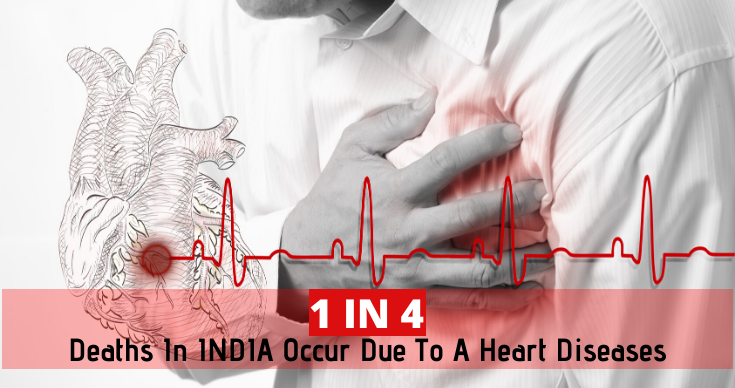
Why Are Indians So Vulnerable To Heart Diseases?
We only have one heart and it’s our sole responsibility to take the best care of our heart to make it healthy and keep it in good physical condition. Sadly, there’s an incessant upsurge in heart-related conditions among Indians.
The question that comes to our mind after knowing this fact is why Indians are more susceptible to heart diseases and cardiac emergencies than any other ethnicity? Today, we will talk about 6 reasons why more people are suffering from heart-diseases at an increasing rate in the Indian sub-continent.
1. Chronic stress and hypertension:
Our modern lifestyle is comfortable but stressful. People are constantly stressed about their career, daily commute, personal life and financial conditions. Constant stress is the supreme cause of hypertension or high blood pressure. Healthy blood pressure for an average human is 120/80 mmHg. To manage stress, you should do the following things
– Maintain healthy relationships
– Participate in physical activities
– Eat clean and healthy food
– Get adequate sleep every night
– Practice relaxation techniques.
2. Unhealthy lifestyle choices:
We all know that an unhealthy lifestyle does not benefit our body but still we indulge in them then and now. An unhealthy lifestyle is a lifestyle in which you have harmful habits like smoking, consuming alcohol, eating junk and fast food, and being physically indolent. Take an oath that you would not choose or try to avoid this afore-mentioned lifestyle for yourself.
3. Diabetes:
Diabetes has become a common disease in India and that leads to many cardiovascular diseases. Getting diabetes treatment is paramount as uncontrolled diabetes cause impaired blood vessels of the heart and other vital organs.
4. Obesity:
Indians are getting obese day by day due to various reasons. Many people are suffering from class 3 obesity which can be treated with a bariatric or weight loss surgery.
5. Congenital heart defects:
Many children in India are born with heart abnormalities that lead to serious cardiovascular conditions if not timely diagnosed. It is one of the main factors of increasing heart diseases in our country.
6. Genetic makeup:
Many heart diseases are hereditary and nobody can undo it. Your genetic makeup determines the risk of you or your children inheriting heart-related conditions.
Regrettably, we Indians match the criteria of all the above-mentioned points, and that leads us to be more vulnerable to cardiovascular diseases. If you’ve any heart-related conditions you can easily come to ILS Hospitals, one of the best heart hospitals in Kolkata for your diagnosis and treatment. We will provide you with proper medical advice appropriate for your condition.
Acquaint Yourself With These 4 Different Types Of Hernia
A hernia is an abnormal bulge in the affected area that occurs when the organ or fatty tissues comes out through a weak muscle opening. Hernias are painful and if left unaddressed or untreated can become serious and dangerous (a hernia can strangulate and even burst that leads to grave consequences).
Hernia repair surgery is the ultimate and preferable hernia treatment by the doctors. Most people are not familiar with the different types of hernia. So, we thought to acquaint you with 4 different hernia types for your awareness.
Here are different and common types of hernia
1. Inguinal Hernia
In case of inguinal hernia, a part of the intestine exists through a weak opening in the abdominal muscles. Some symptoms of inguinal hernia are as follows:
-
Pain in the groin area while coughing and lifting anything
-
A visible bulge in the groin area
-
Swollen and painful scrotum or testicles in men.
2. Incisional Hernia
Incisional Hernia occurs due to an unhealed surgical wound of abdominal surgery. The symptoms of an incisional hernia include:
-
Redness and swelling in the bulge
-
Constipation
-
Nausea and vomiting.
3. Umbilical Hernia
This type of hernia is commonly found in new-born babies but that does not mean adults do not encounter umbilical hernia at all. An umbilical hernia is formed in the belly button due to protrusion of an organ or fatty tissues. A few symptoms related to this hernia are as shown below:
-
Painful and discoloured bulge
-
Fever
-
Vomiting
-
Pain in the abdomen.
4. Hiatal Hernia
If the upper part of your stomach exits from its assigned spot and enters into the chest cavity, then it’s known as a hiatal hernia. A hiatal hernia happens due to various reasons like injury or certain surgeries, obesity, old age and abnormal hiatus. The symptoms of hiatal hernia are the following:
- Difficulty swallowing food
- Acid reflux
- Regurgitation or vomiting
- Chest pain
- Abdominal pain
- Constant belching or burping
- Vomiting blood
- Black stools.
There are many more types of hernia but these 4 types are quite common. A hernia cannot be left on its own and should be taken seriously. We offer general and laparoscopic hernia treatment to our patients with this condition. We are one of the best hospitals in Kolkata due to our perfect infrastructure, expert medical team and the latest facilities.

Everything You Need To Know About Varicose Veins
What do we mean by varicose veins? Varicose veins are abnormally enlarged veins that appear to be swollen and magnified. These ostensible veins are often found in the legs.
So why do they occur in the first place? Well, varicose veins form due to defective and damaged valves present in the veins that obstruct blood to flow successfully. Varicose veins can become a critical medical emergency under certain serious complications which we will discuss later in the blog.
Here are some symptoms that confirm the existence of varicose veins.
-
Discoloured veins
-
Skin discolouration
-
Restless leg syndrome
-
Pain and swelling in the affected area
-
Muscle cramps
-
Heaviness in the legs
-
Fatigue.
One thing we have discovered is that the primary cause for varicose veins is malfunctioning veins. Let’s discuss who are more vulnerable to varicose veins.
1. Women (especially when pregnant or on the verge of menopause)
2. Old people
3. A person who does standing jobs
4. People with obesity
5. A person suffering from chronic constipation
6. Individuals with a family history of this medical condition.
The complications involved with varicose veins that require an immediate rush to the hospital are as follows:
-
Clotting of blood
-
Severe bleeding
-
Inflammation of the veins
-
Hyperpigmentation
-
Chronic Venous Insufficiency (CVI).
The doctor will perform these certain diagnostic tests to verify varicose veins.
-
Venogram
-
Duplex ultrasound scan
-
Doppler ultrasound.
Some treatment associated with varicose veins are as follows:
1. Compression stockings
The doctor might suggest you wear compression stockings to subdue the symptoms related to varicose veins.
2. Sclerotherapy
If your varicose veins are not severe, you might be prescribed sclerotherapy as a treatment. In this treatment, the varicose veins are treated with the help of saline injections given at regular sessions.
3. Surgical treatment
Surgery is involved when the patient’s condition becomes critical. The surgical procedures that one might expect with severe varicose veins are
– Vein ligation and stripping
– Endovenous laser therapy
– Endoscopic vein surgery.
Varicose veins are not simply a cosmetic problem as they can cause serious other health-related issues in due course of time. If you’re suffering from varicose veins, you need proper diagnosis and treatment as soon as possible. ILS Hospitals, one of the best hospitals in Salt Lake is here to help you out with unsightly and problematic varicose veins. For more information, get in touch with our team.
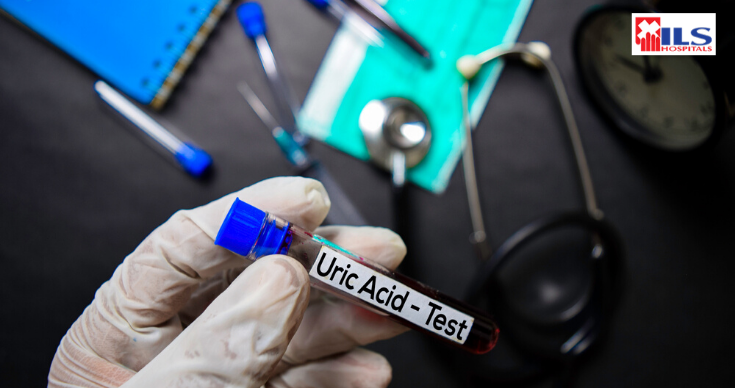
How Dangerous Is Hyperuricemia Or Higher Level Of Uric Acid?
To say the least, an “excess of everything is bad”. Hyperuricemia certainly reminds us of this good old proverb. Hyperuricemia is a serious medical condition of high uric acid concentration in the blood. The uric acid levels should be within the normal range or else it may result to many serious and unpalatable health conditions. If your uric acid crosses the normal and expected levels then you have high uric acid levels. You have high uric acid levels when your uric acid is more than 6 mg/dL if you’re a woman and greater than 7 mg/dL in the case of a man.
The main concern is to know whether hyperuricemia is dangerous or not. Hyperuricemia can be injurious and dangerous if one turns a blind eye to it as it can result in many chronic and serious diseases of essential organs like heart and kidney.
Our body excretes uric acid through urine but if the body starts making excess uric acid then it puts pressure on the kidneys to get rid of them. The body makes uric acid through purines which we receive from certain foods (seafood, red meat, some vegetables, mushrooms, alcoholic drinks, etc). An excess of uric acid means you are eating a lot of purines in your diet, thus your extra uric acid will crystallize in mostly your joints and kidneys producing pain and inflammation.
There are a few serious medical issues that are a plain result of hyperuricemia and by default, they help to determine hyperuricemia. They are as follows:
-
Gout (swollen, tender and stiff joints)
-
Kidney stones
-
Kidney diseases and even renal failure
-
Diabetes
-
High blood pressure
-
Cardiovascular conditions.
So what are the causes and are you at risk of hyperuricemia? Let’s see the points below.
-
Obesity
-
Excessive alcohol consumption
-
High-purine diet ( which include alcohol, seafood, and liver meats)
-
The incapability of kidneys to filter properly
-
Certain medications
-
Heredity
To keep your uric acid within the normal range, your doctor will recommend you some drugs or medications as a treatment. If you’ve developed other medical conditions associated with hyperuricemia, then you will be directed to the doctor respective to your condition for treatment. For instance, if you have diabetes, you will require diabetes treatment along with the treatment for hyperuricemia. You will also be required to follow a purine-restricted diet (which include healthy nuts, eggs, low-purine vegetables, and fruits) to normalize the dangerously high levels of uric acid.
Diagnosis of hyperuricemia is done by conducting blood (serum uric acid test) and urine tests.
We, at ILS Hospitals, provide diagnostic tests for high uric acid levels to our patients. ILS Hospitals is one of the best hospitals in Kolkata for diagnostic and accurate medical treatment.