
























Coronary artery bypass grafting is a surgical procedure used to treat severe coronary artery disease (CAD). It blocks or narrows arteries, reducing blood flow to the heart. As a result, healthy vessels acquired from the chest, leg, or arm are grafted around the diseased arteries, restoring blood flow.
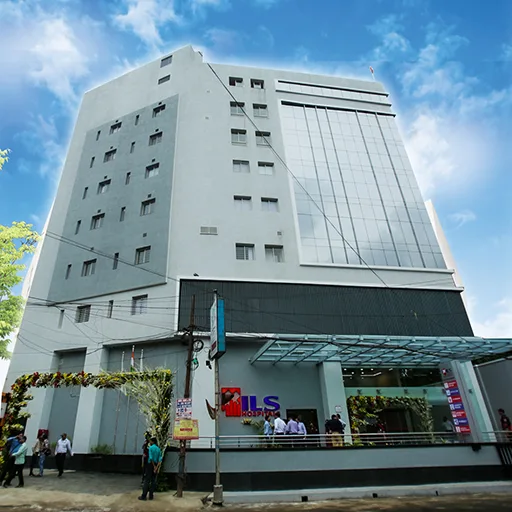
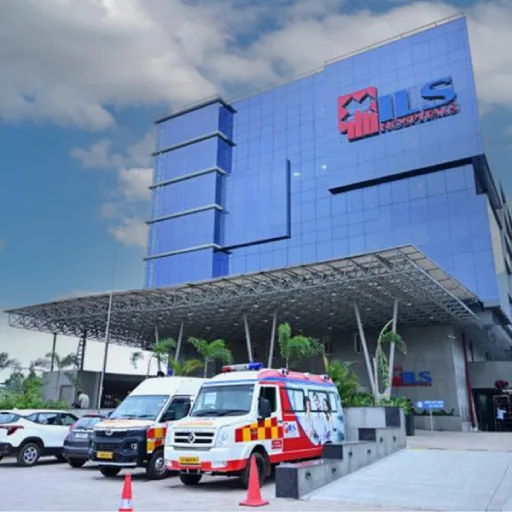
At ILS Hospitals, innovative techniques and modern surgical procedures are employed to ensure optimum patient outcomes. Our multidisciplinary team of experienced cardiovascular surgeons and supporting staff tailors each surgical approach to the patient’s needs. Emphasis is laid on minimally invasive procedures like Off-pump coronary artery bypass surgery, which allows surgeons to perform the procedure without stopping the heart, reducing recovery time and associated risks.
Patients benefit from holistic pre-surgery evaluations that include advanced imaging technologies to assess coronary artery blockages and heart dysfunction. Personalized rehabilitation and follow-up care are offered post-surgery to ensure full recovery and long-term heart health.
Services offered:
We offer a wide range of advanced services to treat coronary artery disease and improve heart function.
- Off-pump coronary artery bypass surgery (OPCAB): This is a minimally invasive technique in which the heart is not stopped during surgery. This reduces the risk of complications and shortens the recovery time.
- Traditional coronary artery bypass grafting: This procedure temporarily stops the heart. Bypass grafts restore blood flow to blocked coronary arteries. Highly skilled cardiovascular surgeons are called on to perform this procedure in complex cases.
- Preoperative Risk Assessment and Imaging: This includes a wide variety of comprehensive diagnostic tests, such as coronary angiography, CT scans, and echocardiograms, to assess the severity of blockages and determine the best surgical approach for the patient.
- Post-operative cardiac rehabilitation: A personalized rehabilitation program is designed to aid patients in recovery. Physical therapy, lifestyle changes and medical management are considered.
- Minimally invasive CABG techniques: Cutting-edge, minimally invasive methods such as robotic-assisted surgery are employed, which reduce incision size, minimizes pain and speed up recovery.
- 24/7 critical care and monitoring: Patients are continuously monitored to ensure they receive the best care before, during and after surgery to minimise the risk of complications