



















Sleeve Gastrectomy in Saltlake for Weight Loss
Sleeve gastrectomy at ILS Hospital, Saltlake can be the life changing solution that you are looking for. Obesity is a serious medical condition that can lead to diabetes, high blood pressure, heart disease, and joint problems. For people suffering from obesity even after trying dieting, exercising, and medicine without long term success, sleeve gastrectomy offers an effective and safe surgical solution. At ILS Hospital, Saltlake this procedure is performed
by one of the top bariatric surgeons Dr. Om Tantia.
What Is Sleeve Gastrectomy?
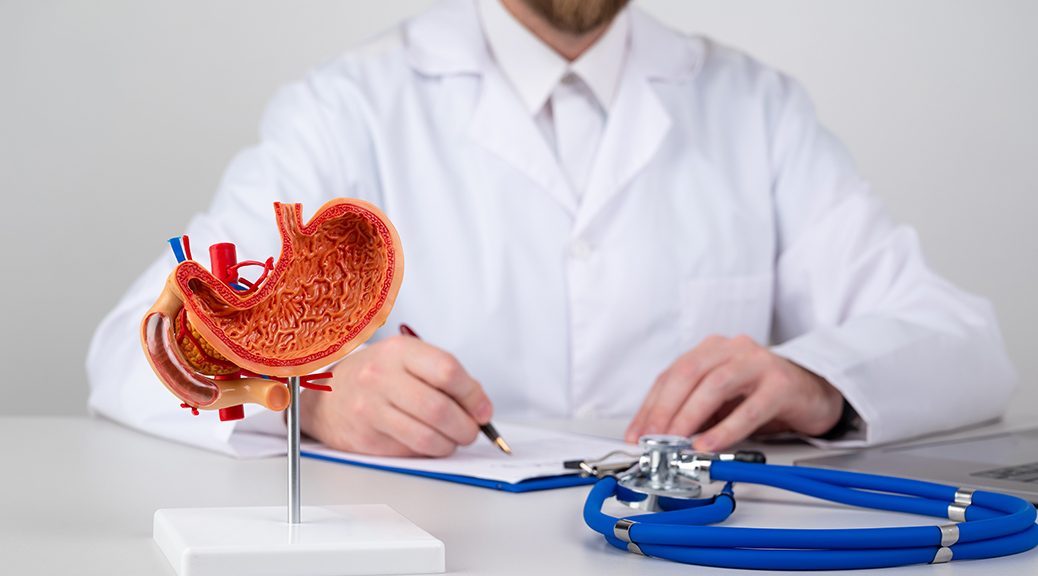
Sleeve gastrectomy, also referred to as vertical sleeve gastrectomy (VSG), is a bariatric surgery that is minimally invasive and involves removing approximately 70–80% of the stomach permanently. The remaining stomach resembles a tube of narrow shape or “sleeve,” which:
- Limits food consumption by reducing the capacity of the stomach
- Minimizes hunger by lowering the secretion of the hunger
hormone ghrelin Unlike gastric bypass, sleeve gastrectomy does not require a direct connection to the intestine therefore it is a less complicated and low risk procedure which results in speedy
recovery.
Who Can Benefit?
Sleeve gastrectomy can be performed for individuals who:
- If you have a BMI greater than 40, or greater than 35 with obesity-related medical conditions like type 2 diabetes, sleep apnea, or high blood pressure
- If you are unable to lose weight to lose weight with lifestyle interventions
- If you are motivated to adopt long-term lifestyle and dietary modifications after surgery
At ILS Hospitals, Saltlake, a thorough pre-surgical assessment is done to make sure that the patients are in proper condition and need for this surgery.
Advantages of Sleeve Gastrectomy
Patients undergoing sleeve gastrectomy at ILS Hospital Saltlake can anticipate:
- 50–70% excess weight loss within 12–18 months
- Remission or improvement of obesity-associated health issues
- Lesser hospital stay and faster recovery with laparoscopic method
- Long-term hunger management and improved portion control
Why ILS Hospital, Saltlake?
ILS Hospital, Saltlake offers a welcoming and efficient environment for a life changing procedure such as gastric bypass surgery. We are equipped with modern operating rooms, experienced support staff and one of the best post operative care programs. On top of that Dr. Om Tantia’s experience expertise make him one of the best for sleeve gastrectomy.
Sleeve Gastrectomy is not just about losing weight; it’s about regaining your health and future. If you’re considering this option, a consultation with Dr. Om Tantia in Saltlake could be your first step toward lasting transformation.
Radiation Therapy for Cancer in Kolkata: How it Works
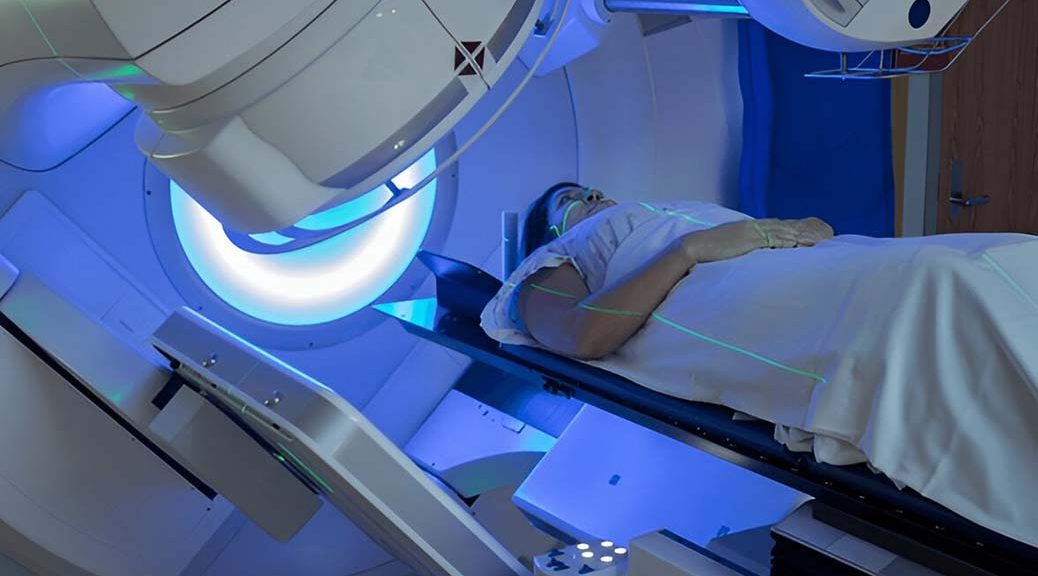
Radiation therapy, or radiotherapy, is a frequent cancer treatment that destroys cancer cells with radiation. Radiation therapy may be administered alone or combined with other types of
therapy like surgery or chemotherapy. At ILS Hospitals in Kolkata, we have India’s top radiation oncologists. Radiation oncologists are doctors who specialize in radiation therapy. They also design a radiation therapy plan with a dosage of radiation that would destroy
cancer cells while leaving surrounding healthy tissue intact.
Why does radiation therapy work?
Radiation therapy kills cancer cells, shrinks tumors, and soothes cancer symptoms. It may be the only treatment, or it may be combined with:
- Shrink tumors first, before other cancer treatments, such as surgery (neoadjuvant therapy).
- Destroy any leftover cancer cells after surgery using adjuvant therapy.
- Destroy recurring cancer cells that reappear following earlier treatments.
- Radiation is also used to kill benign (noncancerous) tumors, which produce symptoms.
Procedure Details
Before starting internal radiation therapy, patients might be required to undergo a physical exam and imaging. External beam radiation treatment (EBRT) requires simulation or planning. Simulation is a treatment planning phase that enables patients to modify their treatment. Simulation involves getting into position and looking. Simulation enables radiation oncologists to compute patients’ dose of radiation and how they will be treated.
During treatment, internal radiation therapy is usually done in a special outpatient treatment room or hospital. The systemic approach of internal radiation therapy is when radioactive fluid is given through an IV. With EBRT, patients are on a table in the same position they were when they were simulated. As the tumor moves around, the system provides accurate dosages of radiation to it. During the therapy, patients won’t feel anything.
After treatment, internal radiation therapy generally permits patients to go home the same day after a short recovery time. Patients might need to remain in the hospital when their body eliminates tiny amounts of radiation. After systemic (IV) radiation therapy, patients can secrete tiny amounts of radiation through body fluids like sweat, urine, and blood.
If you undergo IV or permanent internal radiation therapy, you have a low chance of exposing other people to radiation.
Radiation therapy remains a significant part of cancer treatment, and it offers hope to patients globally. As much as it might offer challenges, the advantages of managing or eliminating cancer are worth it. Advances in research and technology are enhancing radiation therapy, and it is becoming even more precise and effective. Radiation therapy offers not just treatment to many patients diagnosed with cancer but also the potential to lead a longer and healthier life.
PET Scans: Crucial for Accurate Cancer Diagnosis in Howrah
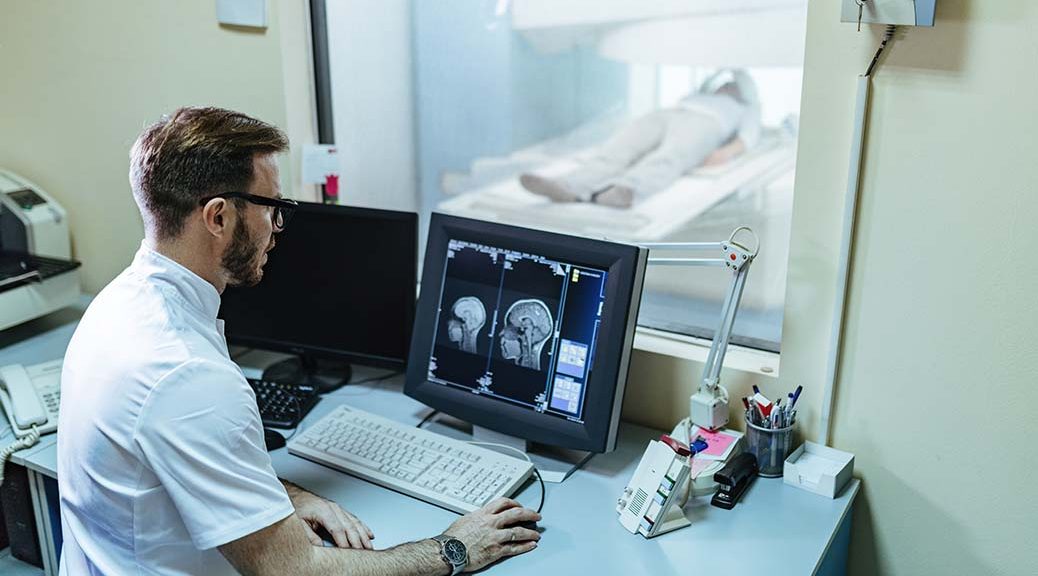
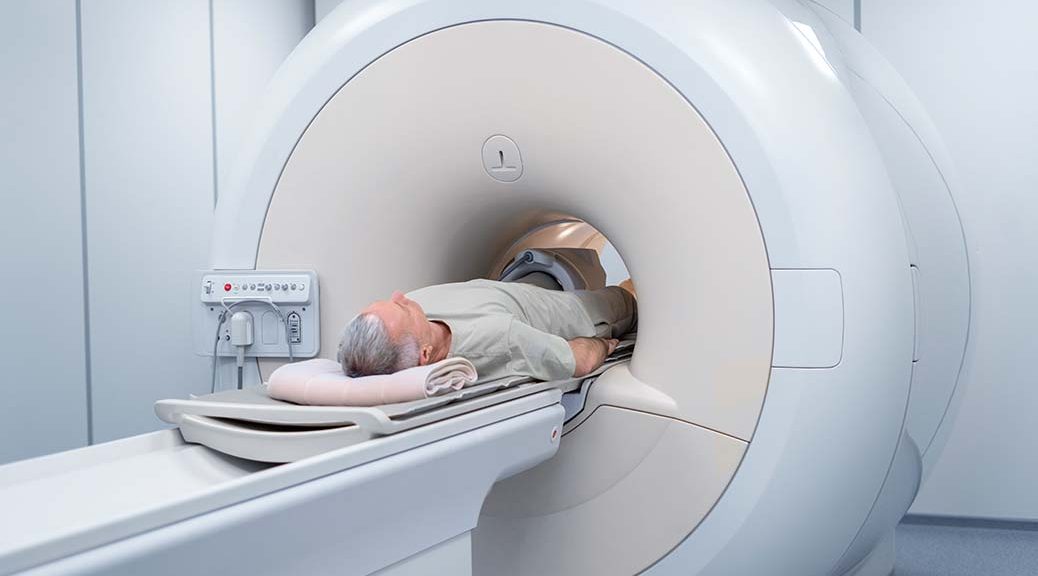
A positron emission tomography (PET) scan is a diagnostic test that takes pictures of your organs and tissues working. A harmless, injectable radioactive material called a radiotracer is used during the test, as is a PET scanner. The scanner detects ill cells that take up lots of the radiotracer, suggesting a possible illness. At ILS Hospital, Howrah PET scans are done with the utmost precision and accuracy, with advanced medical equipment.
Test Details
A PET scan is a type of nuclear medicine imaging. Nuclear medicine injects small and harmless amounts of radioactive material, called radiotracers, through an IV. PET scans, in contrast to other imaging techniques, focus on internal functions and chemical processes. This makes them able to detect illness in its initial phases. Unhealthy cells in your body take in more radiotracer than healthy ones. These are referred to as “hot spots.” The PET scanner picks up the radiation and produces images of the affected tissue. PET/CT scans integrate X-ray and PET scan images.
Preparation
PET scans are outpatient exams, so you can be discharged on the day of the test. Your doctor will give you detailed guidance on preparation for the test.
In general, patients should:
- Ensure your physician has up-to-date information on all medications, vitamins, and supplements you take, and any allergies you have.
- If you are pregnant or breastfeeding, inform your doctor.
- Do not eat anything for six hours prior to the test. If you have diabetes, your physician may instruct you differently.
- Drink water only.
- If you are being tested for a heart condition, you must not consume caffeine for 24 hours prior to the test.
- Dress comfortably and avoid bringing any metal items, like jewelry, glasses, dentures, or hairpins.
- Alert your medical professional if you feel anxious when you are in a confined space. You can possibly take a mild sedative to calm you during the procedure.
How long does it take for a PET scan?
The PET scan process takes approximately two hours. It may take up to 60 minutes for your body to absorb the injected radiotracer. During this period, you must sit quietly and minimize your movements. The actual PET scan takes approximately 30 minutes. Following the exam, you will need to wait while the technologist reviews the scans to confirm they are clear.
Results and Follow-Up
A PET scan specialist radiologist will review the images, generate a report, and send it to your doctor. This should only take 24 hours.
Metabolic Surgery in Saltlake for Weight Loss
Are you struggling with obesity and weight-related health problems? If so, metabolic surgery at ILS Hospital offers proven medical solutions for long-term weight loss. Our programs work
in improving serious health conditions. With our expert medical team, you can start your journey to better health and quality of life.
1. What is Metabolic Surgery?
Procedures that alter your digestive tract to encourage weight loss and enhance metabolic health are known as metabolic surgery. Prominent healthcare organizations from around the
world have approved these operations, which are well-known therapies for obesity and its associated health issues that go beyond cosmetics.
2. Who Might Benefit from Metabolic Surgery?
This surgery may be right for you if you have:
- Body Mass Index of 35-39
- Body Mass Index of 40 or more, which can cause various other serious diseases as well
- A Body Mass Index of 30-34.9 with uncontrolled type 2 diabetes
- Tried other weight loss methods without long-term success
We know how difficult it is to understand and choose procedures with the huge number of available options. That is why we provide expert consultation, led by Dr.Om Tantia a General & Laparoscopic Surgeon with 30 years of experience under his belt.
3. What to Expect After Surgery
First 6 Months:
- Initial weight loss ranging from 15% to 30% of excess body fat.
- Less hunger
- Being able to feel fuller, faster.
- More energy and easier physical movement
6-18 Months:
- Continued weight loss of 60% to 80% of excess weight
- Diabetes and related issues improve greatly
- Normalized blood pressure levels
- Reduction in sleep apnea severity
After 18 Months:
- Weight stabilization with provided guidance on healthy habits
- Lasting health benefits
- Sexual health benefits
- Boosted confidence
4. Why Choose ILS Hospital?
Under the knowledgeable direction of Dr. Om Tantia, a specialist with 3 whole decades of experience, we at ILS Hospital take satisfaction in providing complete metabolic surgery
treatments. Our program is unique because of its approach, which incorporates long-term follow-up care, nutritional counselling, and surgical competence. Our patient-centered approach is what really sets us apart. We create special treatment programs for every patient making sure they receive the best of the best, and nothing short of it.
Is Bariatric Surgery Safe?
Bariatric surgery, also known as weight loss surgery, is a procedure for individuals with obesity and related health conditions. However, concerns are always there, and people get worried about the safety of the procedure. If you are considering bariatric surgery, it is natural to have questions. At ILS Hospital Saltlake our team of experts caters to these questions.
1. Is bariatric surgery safe?
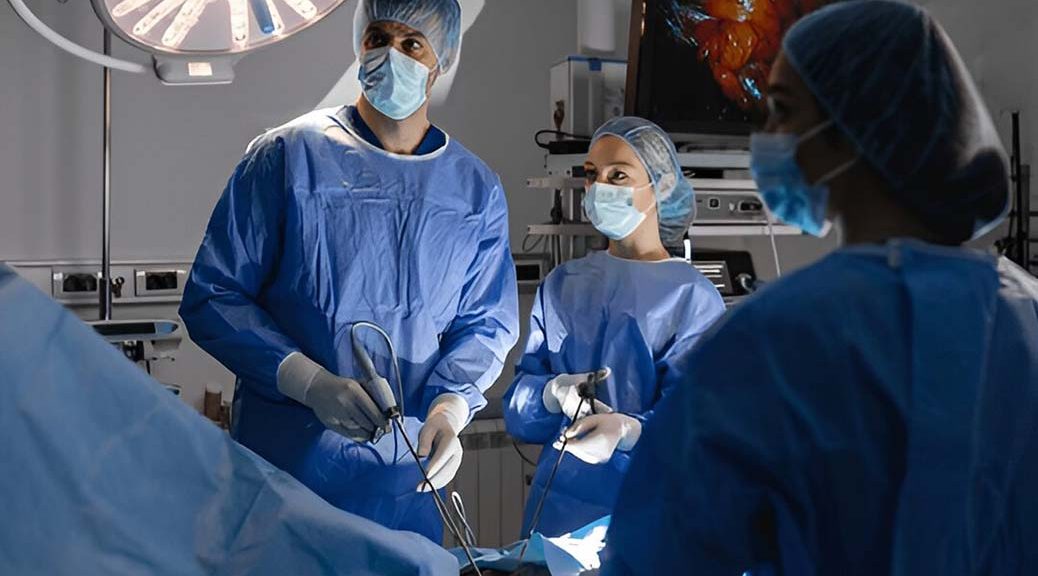
Bariatric surgery is generally safe. If surgery is performed by experienced surgeons and in a well-equipped hospital, then there is little to no risk. ILS Hospital Saltlake, is a top-tier institute for bariatric surgery where we practice minimally invasive laparoscopic techniques, which result in smaller incisions, less pain, and faster recovery with fewer complications. Our lead surgeon, Dr. Om Tantia has over 30 years of experience; he makes sure that every patient undergoes a thorough preoperative assessment to minimize risk.
2. What are the risks involved?
Like any surgery, bariatric procedures carry some risks:
- Bleeding or infection
- Nutritional deficiencies
- Acid reflux or dumping syndrome (in some cases)
- Rare complications like leakage at staple lines
These risks can be avoided with proper screening and good postoperative care. Most of the patients at ILS Hospital Saltlake report a smooth recovery, with few to no complications.
3. How is safety ensured before and after surgery?
At centers like ILS Hospitals:
- A multidisciplinary team (including a surgeon, dietitian, psychologist, and anesthesiologist) evaluates every patient.
- Patients receive presurgery counseling, dietary guidance, and health screenings.
- To ensure long-term success and safety, postoperative care includes regular follow- ups, nutrition planning, and lifestyle coaching.
4. Is it safer than living with obesity?
Obesity comes with long-term risks such as heart disease, diabetes, high blood pressure, joint issues, and reduced life expectancy. These risks outweigh the short term risk of bariatric surgery. According to studies, bariatric surgery improves the quality of life and increases life span, especially for people with obesity and metabolic conditions.
5. What if I have other medical conditions?
Many other conditions tend to improve or get resolved after bariatric surgery. These conditions include diabetes, sleep apnea, and hypertension. With proper monitoring and prior information, patients with other medical conditions can also undergo successful bariatric surgery.
Bariatric surgery is a well-established, effective, and safe solution when performed by skilled professionals like Dr. Om Tantia at ILS Hospital Saltlake. With proper preparation, post-surgery support, and a commitment to lifestyle changes, you can take a confident step toward a healthier, happier life.
How Radiation Therapy Helps Cancer Patients in Agartala
Radiation therapy is one of the most common and most effective cancer treatments that is used worldwide. ILS Hospital Agartala offers advanced radiation therapy designed to precisely target cancer cells while minimising the damage to the surrounding healthy tissues. It plays a vital role in curing cancer and improving the quality of life.
What is radiation therapy?
Radiation therapy uses high-energy rays or particles to kill cancer cells. Unlike chemotherapy, which affects the whole body, radiation therapy focuses on the specific area,making it the optimal choice for localised cancers or for preventing cancer from returning in
the same area.
Benefits
1. Kills cancer cells
Radiation therapy works by destroying the DNA structure inside cancer cells, preventing them from multiplying. Due to this, the damaged cells die and are naturally eliminated by the body.
2. Reduced risk of recurrence
Radiation therapy is often used after surgery to kill remaining microscopic cancer cells,lowering the chance of cancer coming back.
3. Shrink tumour before surgery
It is also used to shrink large tumours, making it easier for surgeons to remove them without damaging healthy tissues.
4. Relieves symptoms
It can also be used in palliative care to relieve pain, pressure, and other symptoms caused by cancer. It is usually used in advanced stages of cancer to give patients a little comfort and a better quality of life.
Radiation therapy at ILS Hospital, Agartala.
ILS Hospital Agartala is equipped with modern technology for radiation therapy designed to accurately target tumours with minimal side effects. Treatments are planned carefully using
imaging tools such as CT and MRI scans to ensure precision. Highly trained oncologists and radiation therapists work together to create a treatment plan based on the patient’s cancer type, stage, and overall health.
Radiation therapy can cause fatigue, skin changes, and mild discomfort. The hospital provides support during the procedure through counselling, nutrition guidance, and regular monitoring. The goal is to ensure that patients not only complete their treatment but also successfully recover from it.
At ILS Hospital Agartala, radiation therapy with advanced medical care, accuracy, and compassion makes it one of the best places for patients to fight cancer and live a healthy and long life.

Comprehensive Cancer Care in Agartala
Are you searching for comprehensive cancer care?
If yes, then ILS Hospital Saltlake might put an end to that . Because we believe ‘Beyond the diagnosis, lies a journey of hope and healing’ and we are ready to become your pillar of strength in this journey to heal and feel better. ILS Hospital is one of the best cancer care clinics with skilled and experienced oncologists in Saltlake. Cancer care at ILS focuses on giving you the utmost care and helping patients fight cancer with compassion and proficiency.
WHAT IS ONCOLOGY?
Oncology is a branch of medicine that focuses on the diagnosis, prevention and treatment of cancer.
At ILS Hospital we offer you the treatment which is suitable for your condition. These include:
- Chemotherapy: Along with the treatment of chemotherapy we provide supportive care to help the patient deal with the side effects, ensuring a comfortable experience.
- Targeted therapy: Targeted therapy has lesser side effects when compared to chemotherapy and we provide it as a part of the personalized plan.
- Immunotherapy: At ILS Hospital, we provide access to latest immunotherapies and has shown promising results to the patients dealing with lung cancer, melanoma and lymphomas.
- Hormone therapy for prostate cancers to suit the specific needs of each patient.
OUR EXPERTS, YOUR STRENGTH
ILS Hospital is the place where experts care for you so that you can be carefree. The department of oncology consists of Dr. Pragati Singhal a skilled surgical oncologist with fellowship in Breast Surgical Oncology and years of experience along with Dr. Aloke Ghosh Dastidar with over 9 years of experience in medical oncology. Our doctors have successfully treated numerous patients, returning them to the light of life.
WHY ILS HOSPITAL?
- Apart from being highly trained and experienced our medical oncologists work with multidisciplinary team of specialists to create a personalized treatment plan for you.
- At ILS Hospital, latest researches along with updated modern technology is used to provide most effective cancer treatment plans, ensuring the best possible results for you.
- The major focus lies on the well-being of our patients offering individual care for medical needs as well as emotional health.
If you or your closed ones are going through this battle choose what is best for them.

Breast Cancer Treatment Options in Agartala
One of the most common types of cancer affecting women worldwide is breast cancer. An early diagnosis that is followed by timely treatment is essential for a successful outcome. ILS
Hospital Agartala is one of the leading centres in cancer care, offering comprehensive treatment with advanced medical facilities and compassionate care.
At ILS Hospital Agartala, breast cancer treatment starts with a thorough diagnosis and personalised treatment plan, catering to your conditions. The hospital provides all the major types of treatments to ensure patients receive the best care according to their condition and stage of cancer.
1. Surgery
Surgical treatment is most commonly used in the cases of breast cancer. ILS Hospital provides both lumpectomy, where the tumour and some tissues are removed. And mastectomy, in which the entire breast is removed. Experienced oncologists and expert surgeons work closely with patients to determine the best approach.
2. Radiation therapy
Radiation therapy uses radiation to destroy cancer cells and reduce the risk of recurrence. It is usually recommended after surgery to ensure the elimination of any remaining cancer cells. It is done with utmost precision with advanced technology available at ILS Hospital.
3. Chemotherapy
It involves using powerful drugs to kill or slow the growth of cancer cells. It can be used before surgery to shrink the tumour size and then after surgery to prevent recurrence. ILS Hospital makes sure every patient receives treatment under strict observation for safety and effectiveness.
4. Targeted therapy
At ILS Hospital, targeted therapy is designed to attack specific cancer cell markers such as HER2-positive cells. It offers effective and less harmful treatment compared to other conventional methods. This method is specifically used for certain subtypes of breast cancer like triple-negative breast cancer.
5. Immunotherapy
ILS Hospitals also offer immunotherapy. In this method, the patient’s immune system is stimulated to recognise and destroy cancer cells. This modern approach is used for aggressive or recurrent breast cancer cases. Rehabilitation and support services
ILS Hospital focuses on recovery and emotional well-being. Services like psychological counselling, physical therapy, and nutrition counselling are an important part of post-treatment care. It helps patients regain their strength and confidence. With its advanced breast cancer care and environment that is focused on healing, recovery and long-term well-being, ILS Hospital is a beacon of hope for anyone suffering from breast cancer.

Some Tips to Care for New Born Baby in Summer
Every parent has the same question about how to take care of their newborn baby in Summer. Summer is not easy anymore to take care of a newborn baby, especially at this hot temperature. Every season has a distinct impact on a child’s health. Summer brings heat and warm weather.
New parents are always anxious to find the best pediatricians. If you are living in Dum Dum and looking for the nearest pediatric hospital in Kolkata, visit ILS Hospital for child specialist Dum Dum and make an appointment with an experienced child specialist.
In this blog, we share a few significant facts that you need to know as a new parent. So read on!
Top Common Summer health Problems and Prevention
As a first-time mother, being vigilant and proactive about your baby’s health during the summer is crucial. Keep reading to learn about common summer health issues in infants and how to prevent and treat them.
In this season, new parents must wonder how to keep their baby cool and comfortable in the hot summer. However, it can be said that daily checkups are important to protect your child when the weather changes.
Most parents have the same concerns, like what type of food they need to feed their baby or how to avoid the common summer illness. In the following part, we mentioned five common summer illnesses and a few tips to prevent them from affecting your baby. On this note, you should visit child specialist Dum Dum for doctor guidance for your baby.
-
Dehydration
During the summer, dehydration is a prevalent health issue for infants. Babies are particularly susceptible because their higher surface area to volume ratio causes them to lose fluids faster than adults. The increased sweating due to hot weather exacerbates this fluid and electrolyte loss.
Symptoms of dehydration in infants include a dry mouth, reduced number of wet diapers, lethargy, and a sunken fontanelle.
Tips to Prevent It:
Try to make your baby hydrated by feeding them breast milk. However, you can take appointment as a child specialist from mother and child care hospital Dum Dum, to get guidance on how often you should feed breast milk to hydrate your child.
-
Fungal Infection
Fungal infections in children are relatively common and can affect various parts of the body, including the skin, scalp, nails, and mucous membranes. These infections are usually caused by dermatophytes, yeasts, or molds, with ringworm (tinea), athlete’s foot, and candidiasis being among the most frequent types.
Symptoms vary depending on the infection’s location but often include redness, itching, scaling, and in some cases, painful lesions or blisters.
Tips to Prevent It:
To prevent fungal infections in children, maintaining good hygiene is essential. Keep your children indoors during hot and humid weather, as sweating can exacerbate fungal infections.
It’s important to avoid sharing towels or clothes with others to reduce the risk of spreading infections. Ensure that your children wear clean clothes, especially undergarments, to keep their skin dry and free from harmful fungi. However, to get proper treatment, pediatricians in Dum Dum will give you the best suggestions that help you to protect your baby from fungal infection.
-
Sunburn
Sunburn can cause significant discomfort and pain for babies. Their delicate and sensitive skin is highly susceptible to sunburn, which can develop within just a few minutes of sun exposure. Symptoms of sunburn in infants include redness, pain, and blistering.
Protect your baby from direct sunlight, particularly between 10 a.m. and 4 p.m. when the sun is most intense. Dress them in light, long-sleeved clothes and a wide-brimmed hat to shield their face and neck. Apply sunscreen with a minimum SPF of 30 on any exposed skin.
Tips to Prevent It:
The sun is strongest between 10 a.m. and 2 p.m., so it’s best to avoid taking your baby outside during these hours. If you must go out, take all necessary precautions. A baby’s skin is very sensitive to sunlight. Make sure your baby is well covered if you go out, especially around noon. Dress them in light-colored, long-sleeved shirts and pants, and consider carrying an umbrella for extra protection.
-
Insect Bites and Stings
Summer is a peak time for insect activity. Babies are prime targets for bites and stings. These can lead to symptoms like redness, swelling, pain, and itching. Dress your baby in long-sleeved clothing and cover their stroller with mosquito nets.
Avoid areas with high insect activity. Use insect repellent specifically made for infants, and follow the instructions carefully.
Tips to Prevent It
Dress your baby in long-sleeved clothing and cover their stroller with mosquito nets. Avoid areas with high insect activity. Use insect repellent specifically made for infants, and follow the instructions carefully.
Final Words
In summer, ensure your newborn stays cool and safe by keeping them out of direct sunlight, especially during peak hours. Dress them in lightweight, long-sleeved clothing and use SPF 30 sunscreen on exposed skin.
Protect against insects with nets and infant-safe repellent. Keep them hydrated and monitor for signs of overheating to ensure their comfort and well-being. Don’t forget to make an appointment with a child specialist Dum Dum, if you are living in Kolkata. Doctor suggestions and prescriptions are important for proper treatment.
FAQs(Frequently Asked Questions):-
Here are the most asked questions about the same matter by parents. In the following part, we answer those common questions. So, read on!
Q1. How To Manage A Newborn Baby In Summer?
The most common question among parents. Well, Keep your newborn cool, avoid peak sun hours, dress in light clothing, use doctor-prescribed sunscreen, and infant-safe repellent, and ensure adequate hydration.
Q2. How To Take Care Of Newborn Baby Skin In Summer?
Here are the effective tips for your baby’s skin treatment
- Avoid oil messages.
- Keep your baby hydrated.
- Keep your baby cool by wearing cotton clothes.
- Follow bath tips according to a child specialist.
Q3. Do Newborns Get Hot In Summer?
In hot weather, babies and young children risk overheating. Offer your baby extra breastfeeds or bottle feeds. Dress them comfortably in loose clothing to keep them cool.

Pediatric Anesthesia Guide: Everything A Parent Should Know
Pediatric anesthesia is a medical process that is used when a child is going through a long surgical procedure. Now, you may ask what is an Anesthesia- it occurs to decrease the brain function in pain response while a patient goes through a surgical process. Anesthesia
Pediatric anesthesia is a specialized field of anesthesia that addresses the distinct requirements of child patients. Pediatric anesthesiologists are skilled in administering the appropriate dosage of anesthesia to infants and children, ensuring they undergo surgical procedures without experiencing pain or discomfort.
The specific needs of children make pediatric anesthesia more complex than standard anesthesia. Therefore, parents need to be informed about these differences to make well-informed decisions.
Common Types Of Anesthesia For Children
Various types of pediatric anesthesia are utilized by healthcare providers to cater to the specific needs of children. The choice of anesthesia is determined by factors like the child’s medical condition and the nature of the procedure.
- Local anesthesia: This type involves administering medication directly through injection near the surgical area. It’s commonly used for minor procedures to relieve pain in a specific body part without affecting the child’s consciousness.
- Regional anesthesia: Regional anesthesia numbs a larger area, such as an entire limb or the abdomen, by using nerve blockers injected near nerve clusters. It provides pain relief for the entire surgical site.
- General anesthesia: General anesthesia is employed to induce unconsciousness throughout the surgery. Children under general anesthesia are in a deep sleep state and are unable to feel pain or respond to stimuli.
Pediatric Anesthesiologist: What is the Role?
A pediatric anesthesiologist is a specialized medical professional trained to administer anesthesia to infants and children. Their expertise lies in ensuring that pediatric patients are comfortable and pain-free during medical procedures while prioritizing their safety. They are skilled in diagnosing any underlying health issues that may impact the anesthesia process and are adept at customizing anesthesia plans for each child.
Their knowledge encompasses airway management, drug response, alleviating anxiety, and closely monitoring the patient’s well-being throughout the procedure.
How to Prepare Your Child for Pediatric Anesthesiology?
Ensuring your child is ready for both anesthesia and surgery is crucial. As a parent, meeting with the pediatric anesthesiologist beforehand to address any health concerns and clarify doubts is important. When preparing your child for Pediatric Anesthesiology, it’s vital to explain inappropriate language and ensure they understand the doctor’s instructions regarding fasting and medication before the procedure. It’s also essential to answer their questions truthfully and fully without causing unnecessary fear.
What are the Common Pediatric Surgeries Requiring Anesthesia
Anesthesia is crucial for ensuring the safety and comfort of pediatric patients undergoing various surgical procedures. It helps manage pain and allows the medical team to perform necessary interventions without causing discomfort to the child. Below are some common pediatric surgeries that typically necessitate the administration of anesthesia.
- Appendicitis
- Intussusception
- Hepatobiliary
- Hydrocephalus
- Hernia repair
- Reconstructive urology
- Hypospadias repair
Choosing A Pediatric Anesthesiologist: Pediatricians in Salt Lake
Selecting a skilled pediatric anesthesiologist is crucial since they administer anesthesia to children. A competent pediatric anesthesiologist can cater to each child’s specific requirements, delivering optimal care based on factors like age, condition, and size. Here are several aspects to contemplate when picking a pediatric anesthesiologist.
On this note, if you are looking for an experienced and world-class pediatric anesthesiologist, you can visit ILS Hospital, Salt Lake for pediatricians in Salt Lake.
Final Words
Pediatric anesthesiology plays a crucial role in ensuring the comfort, safety, and well-being of children undergoing surgical procedures. Choosing a proficient pediatric anesthesiologist who can tailor anesthesia care to meet the unique needs of each child is paramount.
Their expertise in administering anesthesia and managing the perioperative period contributes significantly to positive surgical outcomes and minimizes potential risks. By prioritizing the selection of a skilled pediatric anesthesiologist, parents and caregivers can rest assured knowing that their child is in capable hands throughout the surgical experience.
FAQs(Frequently Asked Questions):-
Before going to visit Pediatricians in Salt Lake, let’s read on what are the common questions that you should know about Pediatric Anesthesiology.
Q1. What Is The Youngest Age For Anesthesia?
There is no minimum age requirement for anesthesia. Newborns and even premature babies can receive anesthesia if needed. However, there are some things to consider, especially for elective surgeries.
Recent research suggests that there may be a connection between repeated or lengthy anesthesia exposure in children under 3 and learning or behavioral problems.
Q2. Is Pediatric Anesthesia Safe?
Anesthesia is typically quite safe, and the majority of children experience no complications. Some studies suggest that administering general anesthesia or prolonged sedation to children under three years old might impact brain development.
However, recent findings offer reassurance, though long-term studies are ongoing to explore this further.
Q3. What is The Strongest Anesthesia?
General anesthesia is the strongest type of anesthesia, inducing unconsciousness in patients during surgical procedures. It’s usually delivered via a mask or intravenously and is employed for intricate, lengthy surgeries like hip replacements.