Gastrointestinal stromal tumors, or GISTs, are cancerous growths that form in the lining of the gastrointestinal tract. They are a form of soft tissue sarcoma. Some gastrointestinal stromal tumors are small, around the size of a pencil eraser, and not visible to the naked eye. However, they can develop large enough to produce symptoms and medical complications.
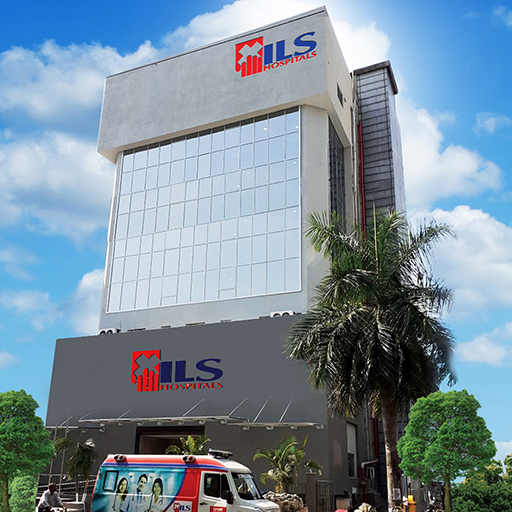
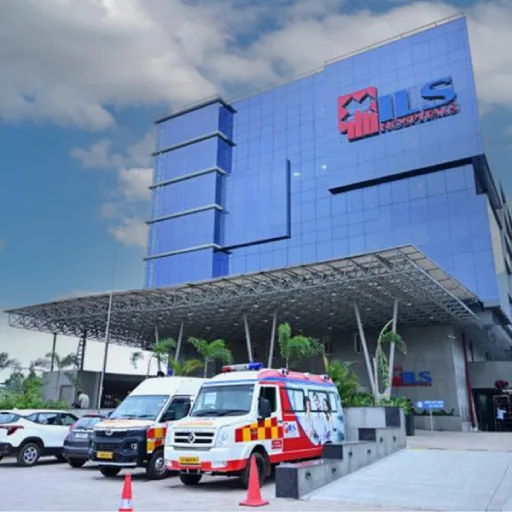
At ILS Hospitals, treatment for Gastrointestinal Stromal Tumors (GIST) is comprehensive, offering a combination of surgery, chemotherapy, targeted therapy, and radiation therapy. Our expert oncologists use advanced diagnostic tools like CT scans, MRI, and biopsy to accurately diagnose and stage GIST, a rare tumor that originates in the digestive tract. Based on the tumor’s size, location, and genetic factors, we develop individualized treatment plans aimed at improving survival rates and quality of life. We ensure comprehensive, compassionate care throughout every stage of GIST treatment.
Symptoms
Gastrointestinal stromal tumors may not produce symptoms, particularly if they are tiny. Often, people discover they have a GIST while undergoing a test or surgery for another reason. When symptoms appear, they could include:
- Abdominal (belly) pain
- Blood in or on your poop
- Constipation
- Fatigue
- Losing weight without trying
- Loss of appetite
- Vomiting blood
Causes
This disorder typically occurs when the KIT gene mutates (changes), causing cells in the digestive tract to grow uncontrolled. This mutation occurs during your lifetime and is not inherited. GIST can also be caused by inheriting certain tumor conditions, such as:
- Familial GIST syndrome: An abnormal KIT gene may rarely be passed on from parent to child, which can increase the chances of developing GISTs.
- Neurofibromatosis type 1: This disorder causes certain cells to grow and multiply, creating tumors that can form all over your body.
- Carney-Stratakis syndrome: People with this rare, inherited condition are at higher risk of developing GISTs.
Diagnosis
Our team asks you about your symptoms and how long you’ve had them. They’ll do a physical examination followed by the following tests:
- Upper endoscopy
- Computed tomography (CT) scan
- Positron emission tomography (PET)
- A biopsy is performed to obtain tissue for a pathologist to examine under a microscope.
Prevention
Prevention of Gastrointestinal Stromal Tumors (GIST) is challenging, as most cases are caused by spontaneous genetic mutations rather than lifestyle or environmental factors. However, maintaining overall health through a balanced diet, regular exercise, avoiding tobacco, and limiting exposure to harmful chemicals may support general cancer prevention. Individuals with genetic syndromes linked to GIST should undergo regular medical checkups and genetic counseling for early detection and management.