





















A brain tumor is an abnormal growth or mass of cells in or around the brain. Together, spinal tumors and brain tumors are called central nervous system (CNS) tumors. A brain tumor can be malignant (cancerous) or benign (noncancerous). Some grow quickly, while others are slow-growing.
Only about one-third of brain tumors are cancerous. But whether they’re cancerous or not, they can impact brain function and your health if they grow large enough to press on surrounding nerves, blood vessels and tissue. Tumors that develop in the brain are called primary tumors. Tumors that spread to your brain after forming in a different part of your body are called secondary tumors, or metastatic brain tumors.
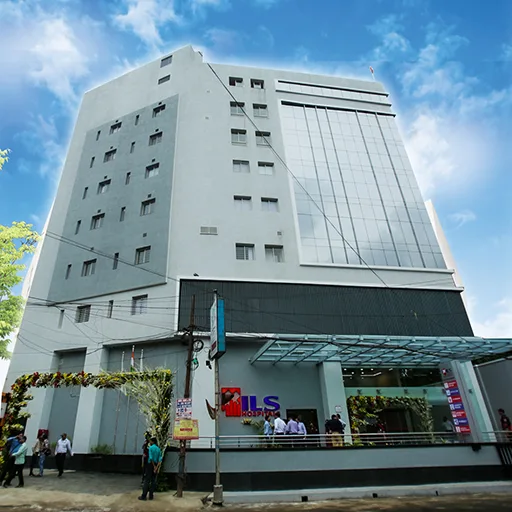
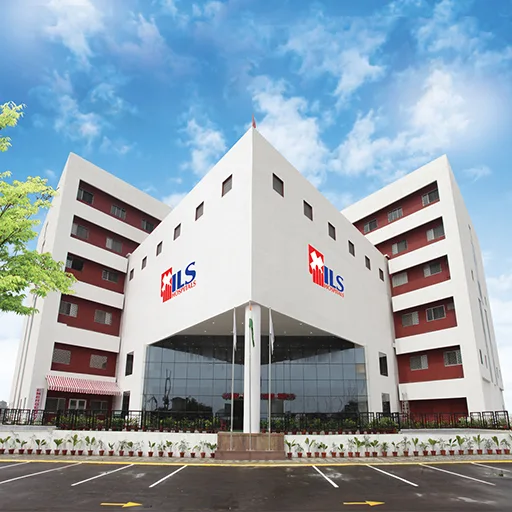
At ILS Hospitals, brain tumor treatment is highly personalized, offering a combination of surgery, radiation therapy, chemotherapy, and targeted therapy. Our expert neurosurgeons and oncologists use advanced diagnostic tools like MRI, CT scans, and biopsies to accurately diagnose and stage brain tumors. Depending on the tumor’s type, location, and stage, we develop tailored treatment plans that focus on minimizing damage to healthy brain tissue while aiming for optimal outcomes. We ensure comprehensive, compassionate care throughout the treatment and recovery process for brain tumor patients.
Types of brain tumors
They are categorized as glial (composed of glial cells in the brain) or non-glial (developed on or in the structures of the brain, including nerves, blood vessels, and glands) and benign (noncancerous) or malignant (cancerous).
Symptoms
Some people have no symptoms, especially if it is small. The signs and symptoms of a brain tumor vary according to its location, size, and type. They could include:
- Headaches that may be more severe in the morning or wake you up at night
- Seizures
- Difficulty thinking, speaking, or understanding language
- Personality changes
- Weakness or paralysis in one part or one side of your body
- Balance problems or dizziness
- Vision issues
- Hearing issues
- Facial numbness or tingling
- Nausea or vomiting
- Confusion and disorientation
It’s important to consult our physician if you’re experiencing these symptoms.
Causes
Causes of brain tumors are given as follows:
- A Family history of brain tumors increases risk
- Previous radiation therapy to the head can trigger tumors
- Weak immunity can lead to tumor development
- Certain tumors are more common in specific age groups and genders
- Exposure to chemicals may contribute to tumor growth
Diagnosis
For patients presenting with symptoms of a brain tumour, we perform imaging tests to confirm the diagnosis, followed by a physical examination.
We also ask about your symptoms, previous and present health issues, current medications, surgeries, medical treatments, and family medical history. Our doctors use a range of procedures to diagnose a brain tumor, including a brain MRI or CT scan, a biopsy, a spinal tap (lumbar puncture), and specialist diagnostics.
Treatment
Radiation therapy, which is well tolerated by adult brains, may impede a child’s brain from developing normally, particularly in children under the age of five. When treating a tumor, our specialists use a mix of therapies. Radiation therapy, radiosurgery, brachytherapy, chemotherapy, immunotherapy, targeted therapy, and active surveillance are among the available treatment options.
Prevention
Unfortunately, a brain tumor cannot be prevented. One can lower his/her chances of having a brain tumor by avoiding environmental dangers, including smoking and excessive radiation exposure. It becomes important to notify the doctor if a first-degree relative has been diagnosed with a brain tumour, to rule out the possibility of an inherited genetic condition.