















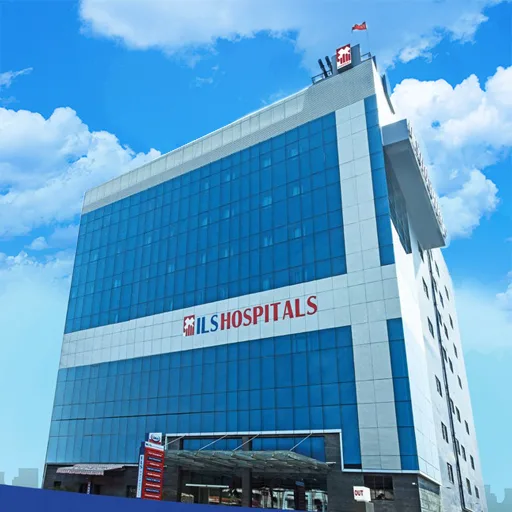
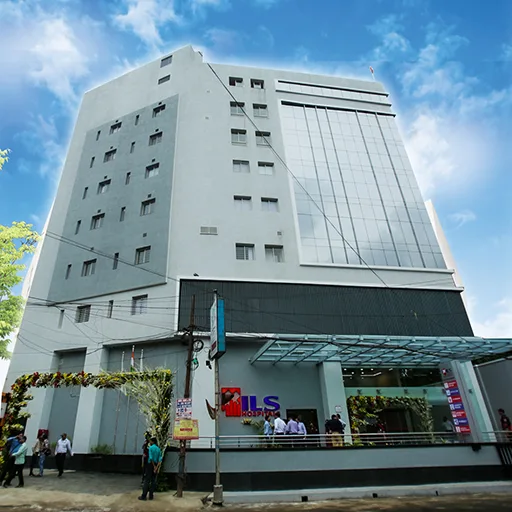

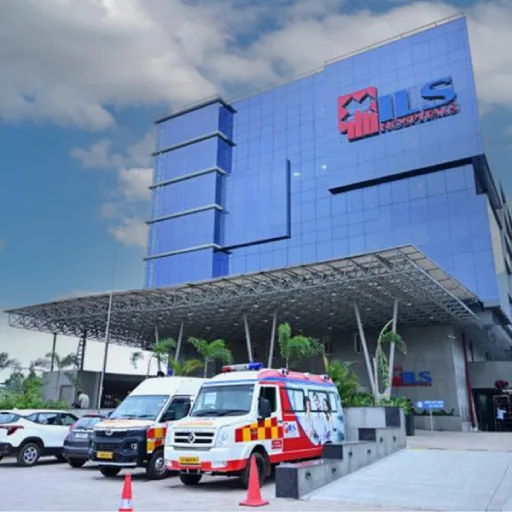








At ILS Hospitals, the carotid endarterectomy procedure treats carotid artery disease caused by plaque buildup in the carotid arteries. The plaque narrows the arteries, increasing the risk of stroke. The plaque is removed to restore normal blood flow, reducing the chances of stroke and improving cerebral circulation. It is performed by expert vascular surgeons who use advanced technology to ensure beneficial outcomes. The surgeon makes an incision in the neck to access the Carotid artery, where the plaque is carefully removed.
We offer complete Diagnostic testing, including Doppler ultrasound and angiography, to assess the severity of the blockage. Our staff uses state-of-the-art technology to ensure a high level of safety and effectiveness throughout the procedure.
We ensure our patients receive a customized postoperative treatment plan tailored to their specific needs. This plan enhances the patient’s quality of life and reduces the risk of future stroke.
Our Services
- Carotid endarterectomy: Our expert vascular surgeons remove plaque buildup from the carotid arteries to restore blood flow to the brain and reduce the risk of stroke.
- Minimally invasive carotid endarterectomy: Our surgeons use this less invasive alternative, which involves making small incisions to reduce recovery time, minimize scarring, and offer a faster recovery.
- Pre-operative diagnostic imaging: We run combined diagnostic tests like Doppler ultrasound, CT angiography and carotid angiography to assess the level of plaque buildup and blockage in the coronary artery
- Carotid stenting and endarterectomy: Our team uses this approach for patients who are not candidates for traditional surgery. A stent is placed to widen the affected artery.
- Post-surgical stroke prevention and rehabilitation: We offer a combined post-operative care to address medications, lifestyle changes and rehabilitation to ensure smooth recovery.
- Advanced anesthesia and pain management: We use the latest technology to ensure a comfortable and stress-free experience for patients during the procedure.